Amplifying ecosystem voices to push boundaries and build innovation communities that foster entrepreneurship and drive economic growth
© 2026 The Innovation Ecosystem Lab. Published with Ghost


Europe’s Tech Market Has Found Its Price. Not Its Buyers.
European venture rounds priced revenue-generating companies at 9.3x revenue. VC-backed exits cleared at 2.7x. That 70% gap isn't a write-down formula. It's a warning: the last round isn't the price. VCs, test every mark against what a buyer would pay today. Data: ScaleX Index H1 2026.

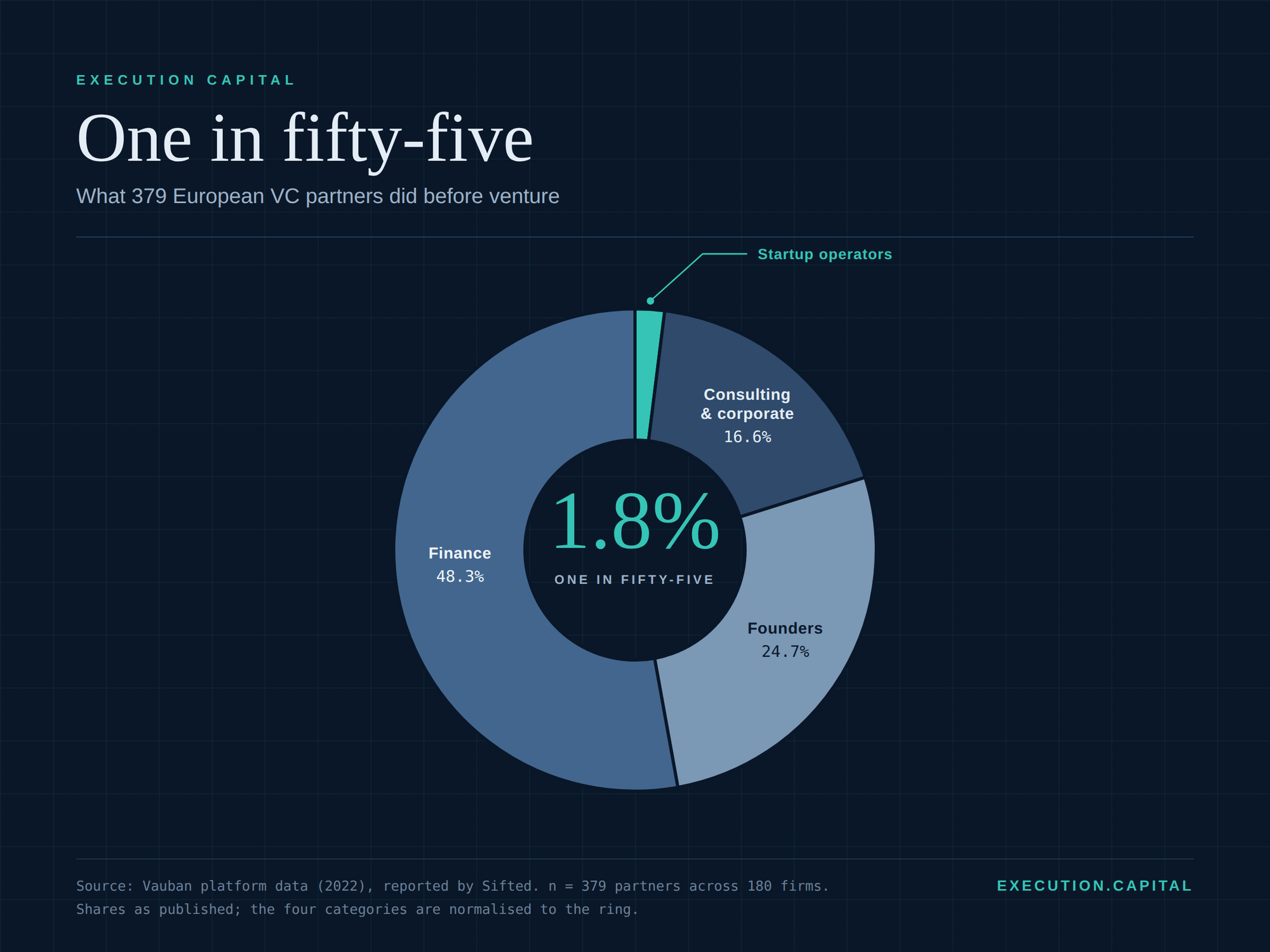
Does it matter if your VC has never run a company?
1.8% of European VC partners have ever operated a startup. 48.3% came from finance. The research on whether that costs founders anything is more surprising than either side expects — and the asset they do have is sitting unused in a WhatsApp group.


How to Grow an Angel Syndicate in the UK and Europe: Turn Your Network Into Infrastructure
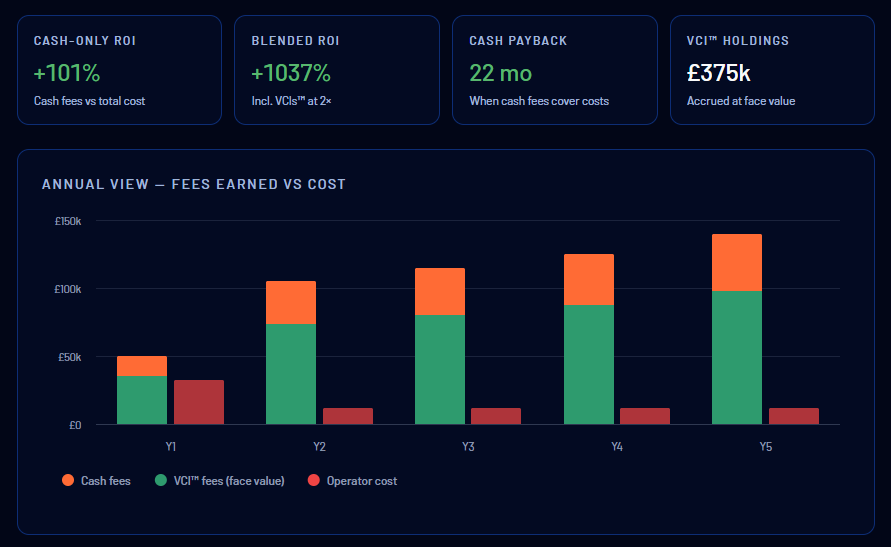
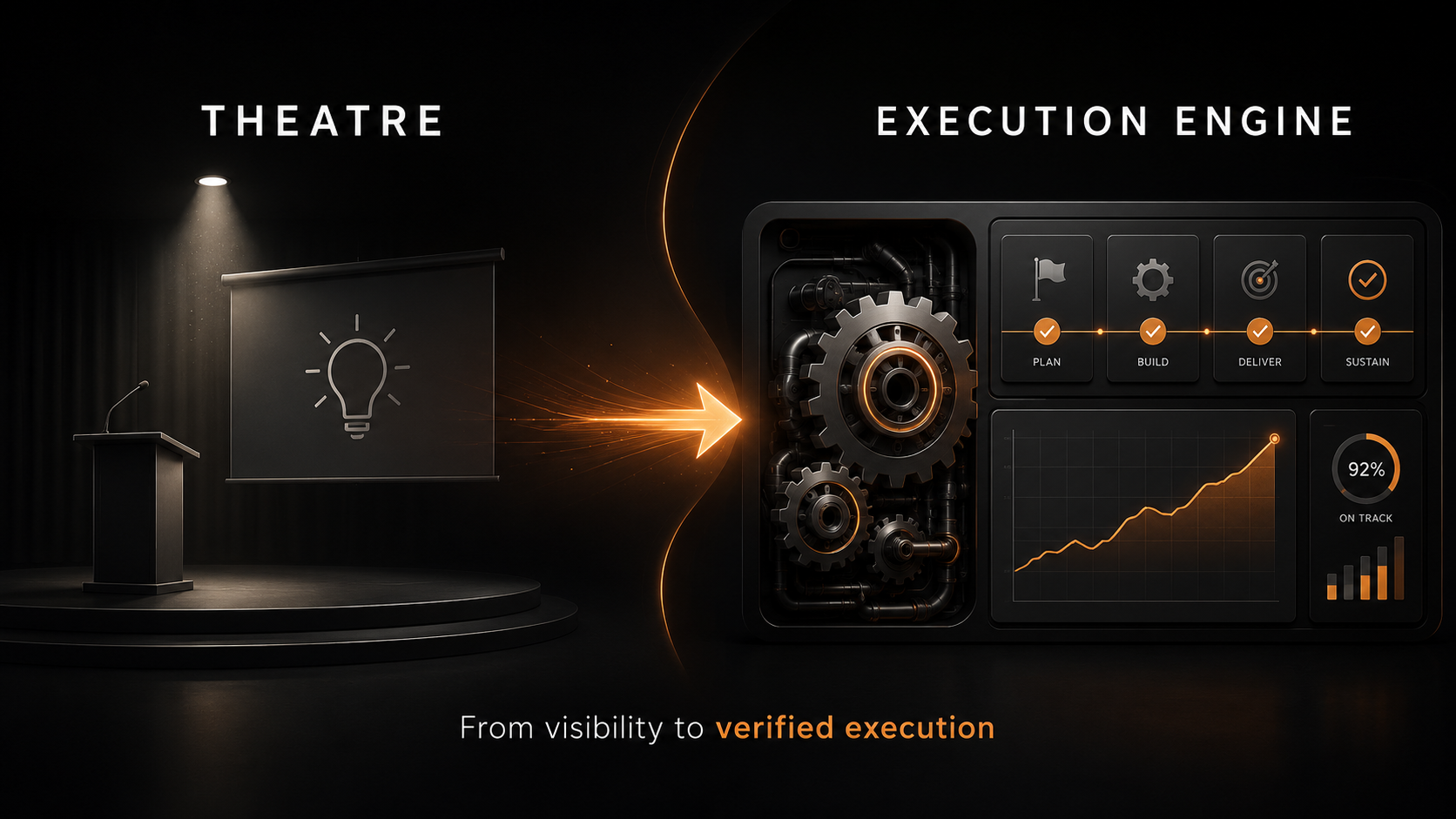
Angel syndicates in the UK and Europe don't stall for lack of capital — they stall for lack of infrastructure. Here's how to grow a syndicate by monetising your members' expertise, building Proof-of-Execution, and offering blended VCI™, direct, and SEIS/EIS investment opportunities.


Stay in the loop.
Sign up to receive updates and the latest news from Split.
Your email